

DAK LAK MUSEUM –ATTRACTIVE TOURISM DESTINATION
Coming to Dak Lak Museum, visitors will have interesting and attractive experiences:
Exploring the greenry space with 100-year-old primeval ancient trees in the more than six-hectare campus of the 04 Nguyen Du historical and cultural relic - Bao Dai Palace.
Easily looking up and search accurately, completely and usefully information of plants through the identification board with QR Code attached to the freely unlimited wifi system at the Museum.
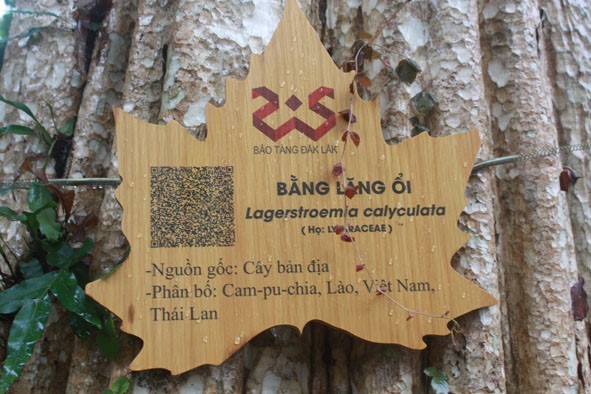
The identification board with QR Code attached
In particular, this is the time of growth and development of butterflies, so visitors can immerse themselves under the cool green trees seeing the peaceful and poetic scenery right in the heart of Buon Ma Thuot city.
Understanding the history and architecture of the Biet Dien Palace and the stories of the former Emperor Bao Dai.
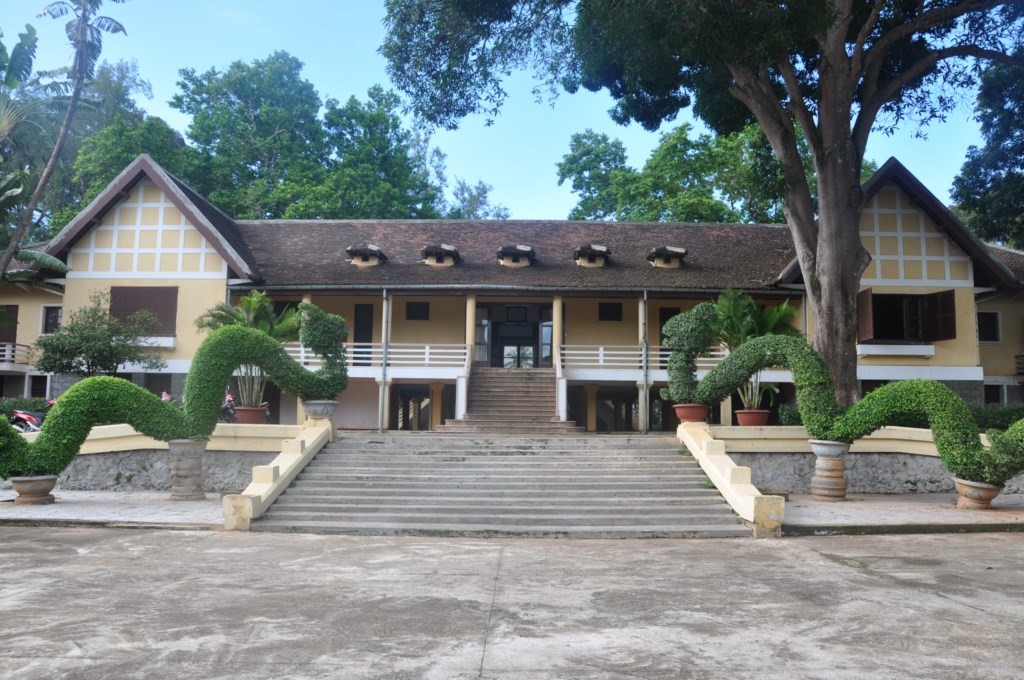
Bao Dai Palace
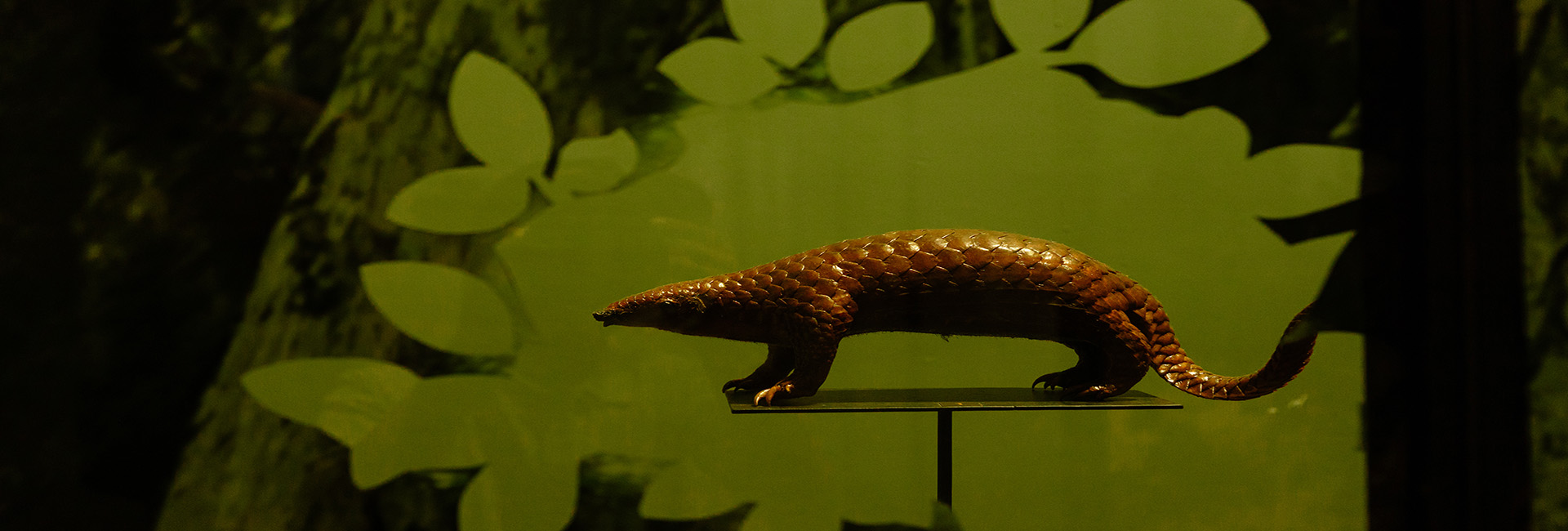
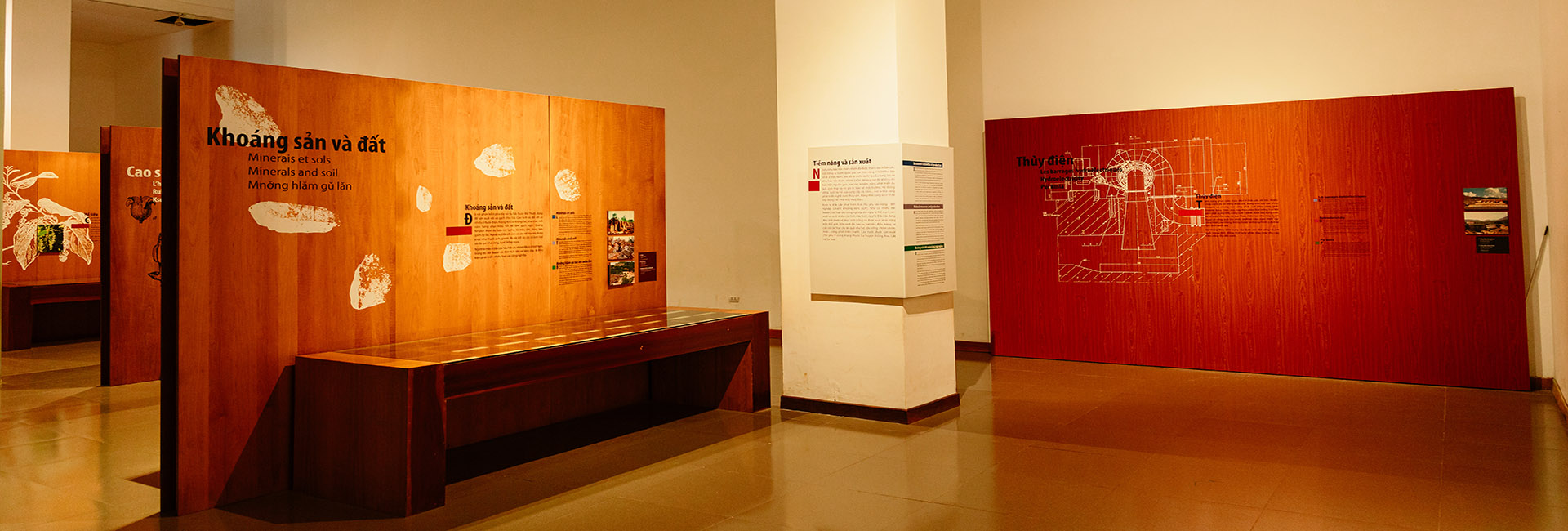
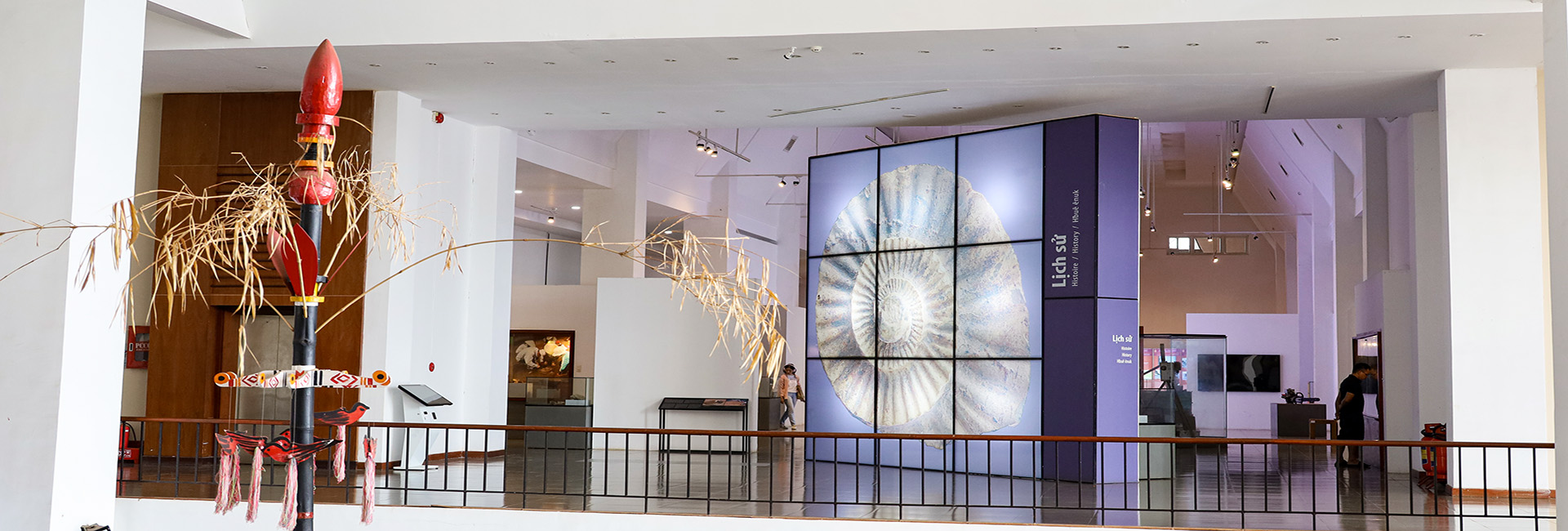
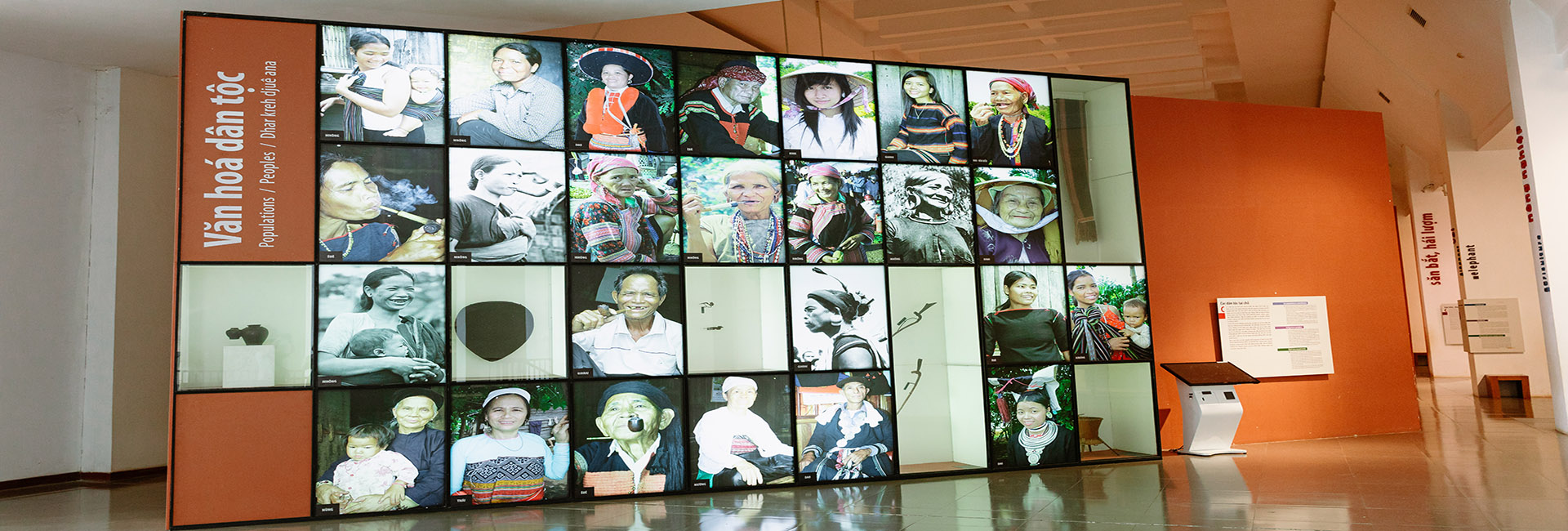
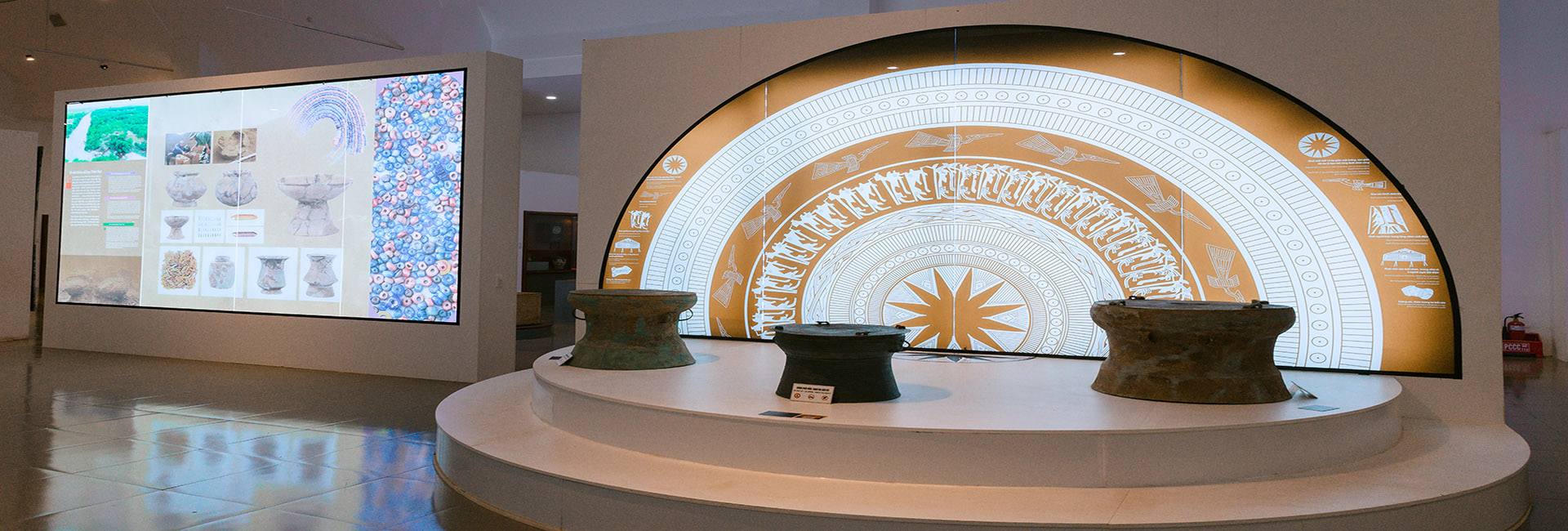
In addiontion, visiting lively and attractive exhibition spaces decorated and designed according to the concept of modern museology. As the first museum in Vietnam using four languages in display, especially the ethnic minorities language, the regular exhibition of Dak Lak Museum brings newness with many colors: Green - Biodiversity; Red - Indigenous peoples; Gray – Immigrants; Purple – History, showing a miniature Dak Lak, rich in development potential, diverse culture, long history, friendliness and hospitability.
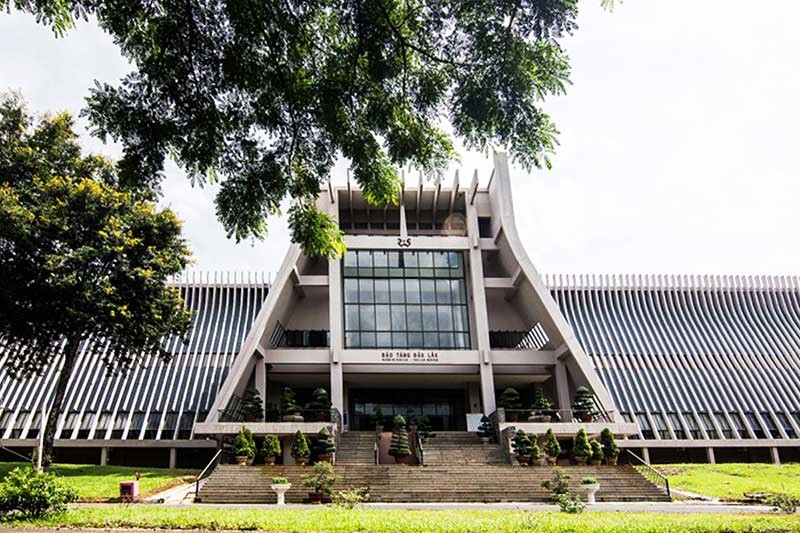
Dak Lak Museum
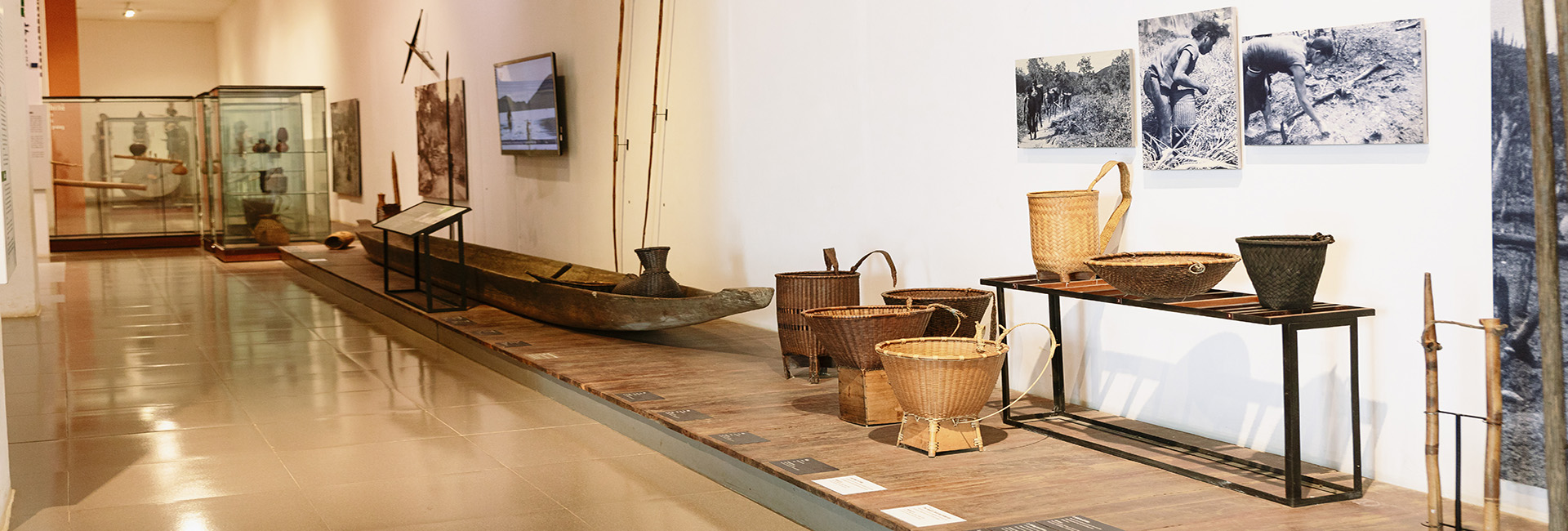
Dak Lak Museum, curently is diplaying the exhibition titled “Ancient houses in the Central Highlands” The exhibiton includes 70 photos, 34 objects giving information about architecture of traditional houses and villages of the ethnic people residing in the Truong Son - Central Highlands. These works are mainly digitalized from negative and positive films of the American anthropologist - Joseph Carrier (1927 - 2020), who recorded them during his work for RAND Group (Research and Development Center) in the Central Highlands between 1962 and 1973. The exhibition also displays pictures and objects of Dak Lak Museum and others such as the anthropologist - Jean Marie Duchange, the photographer - Tan Vinh, and so on.
Not far from the Dak Lak Museum building is a specially national relic of Buon Ma Thuot prison, built from 1930 to 1931, where - revolutionary soldiers and political prisoners were captured. In the nearly two- hectare campus of the relic, visitors will hear the stories of about the bravery and resilience of the revolutionary soldiers during the anti-French colonialism and anti-American empire resistance.

Buon Ma Thuot Prison
In the complicated situation of the Covid-19 epidemic, a note for visitors when visiting Dak Lak Museum is that visitors shall be in groups of less than 20 people, keep wearing masks, wash hands and ensure a minimum distance of one meter. In the coming time, Dak Lak Museum will build and organize many activities to better serve and meet the needs of sightseeing and enjoyment of visitors.
GD&TT